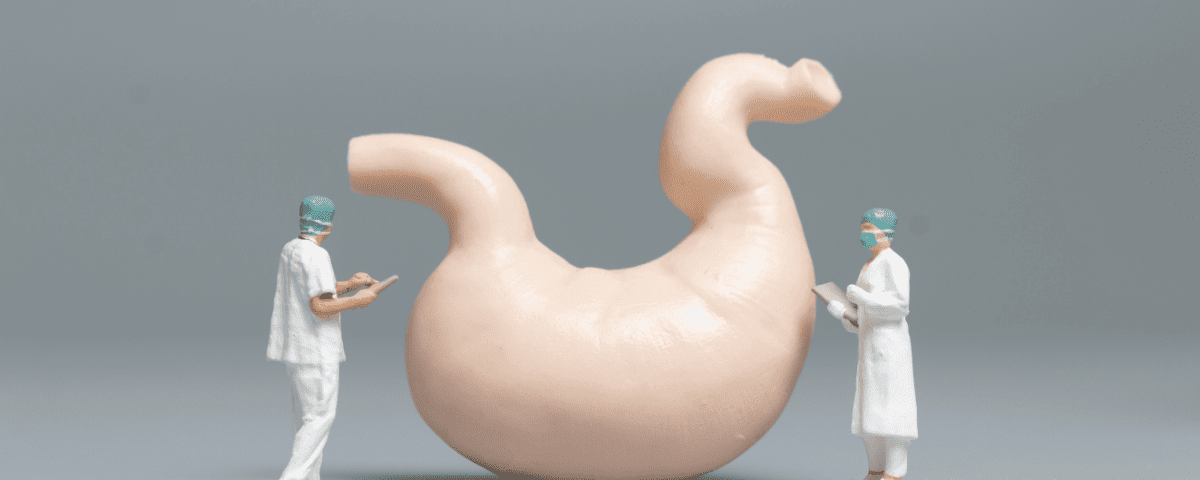
For appropriately selected patients, laparoscopic sleeve gastrectomy (or gastric sleeve surgery) is an effective metabolic procedure associated with clinically meaningful and durable weight loss.
It has also demonstrated improvements in common obesity-related comorbidities like type 2 diabetes, hypertension, obstructive sleep apnoea, gout/hyperuricaemia, and mood symptoms.
Dr Jason Winnett, Melbourne-based Bariatric Surgeon at Winnett Specialist Group, offers some practical reasons for GPs to consider gastric sleeve surgery for patients.
1. Meaningful weight loss for patients
A large 2025 population-based study published in JAMA Surgery analysed outcomes in over 30,000 patients, comparing bariatric surgery with medical therapy for weight loss*1.
After two years:
- 98.8% of surgical patients achieved ≥5% weight loss
- 96% achieved ≥10% weight loss, with sustained results
By comparison, among patients treated with weight-loss medications:
- 71.6% achieved ≥5% weight loss
- Only 45.9% achieved ≥10% weight loss in two years.
The difference in overall weight reduction was clinically significant.
At approximately two years, surgical patients lost an average of 28.3% of initial body weight, compared with 10.3% in those receiving medications alone.
‘For patients with severe obesity, surgery still remains the most effective option we have,’ says Dr Winnett.
Evidence also suggests that sleeve gastrectomy is associated with durable long-term weight outcomes.
In a cohort of 1,020 patients followed for over a decade, a sustained weight reduction was observed at 10 years, reinforcing the procedure’s role in long-term obesity management*2.
2. Smaller appetite
Gastric sleeve surgery is also associated with appetite reduction mediated by hormonal changes.
Dr Winnett says, ‘Resection of the gastric fundus leads to reduced ghrelin secretion, which in turn diminishes hunger signalling.’
Studies reported in JAMA suggest that these endocrine effects support appetite control and sustained dietary restriction following surgery*3.
In addition, sleeve gastrectomy reduces gastric volume (typically resecting around 80% of the stomach), which accelerates satiety and limits meal size.
3. Minimally invasive, faster recovery profile
JAMA evidence shows that laparoscopic bariatric approaches are associated with lower risks of wound infection and incisional hernia compared with open surgery, contributing to a smoother and quicker postoperative recovery experience*4.
Dr Winnett says, ‘It’s a well-tolerated option for the majority of patients, besides people with very severe obesity where bypass surgery may be suitable, or for patients with severe reflux where bypass surgery (also called Roux-En-Y Gastric Bypass or RYGB) is also generally more suitable.’
4. Lower risk of nutrient malabsorption than bypass
Another benefit of sleeve gastrectomy is that it preserves intestinal continuity, reducing malabsorptive risk.
‘Because the small intestine is not rerouted, nutrient absorption is typically better maintained than after bypass procedures,’ says Dr Winnett.
‘This may translate into a lower risk of certain micronutrient deficiencies, according to the Tehran Obesity Treatment study, while still requiring structured long-term nutritional follow-up.’*5
5. Type 2 diabetes improvement/remission potential
Many patients see major improvements in type 2 diabetes after gastric sleeve surgery, and some are able to reduce or even stop diabetes medications under medical supervision.
In long-term follow-up studies, diabetes remission has been reported in around 46% of patients at five years, along with better blood-sugar control than nonsurgical care, according to 2020 study from Obesity Surgery Journal*6.
6. Better cardiovascular health and improved sleep apnea
Many patients experience improved blood pressure control after sleeve gastrectomy, with some able to reduce*7 or discontinue hypertension medications under medical supervision*8.
It can help with several other cardiovascular factors, including blood sugar control, lipid levels, and overall body weight.
It can even reduce the severity of obstructive sleep apnea by decreasing fatty tissue around the upper airway and lowering pressure on the chest and abdomen during sleep*9.
7. Reduced ongoing liver strain
Metabolic dysfunction-associated steatotic liver disease (MASL, formerly non-alcoholic fatty liver or NAFLD) often improves after gastric sleeve surgery*10.
‘Many patients see a “lighter” liver over time,’ says Dr Winnett, ‘with less fat buildup and better liver test results (like lower ALT/AST). This can reduce ongoing liver strain and the risk of fatty liver progressing to more serious disease.’
8. Reduced risk of cancer
Sleeve gastrectomy may help lower obesity-related cancer risk. A long-term study published in JAMA Surgery found that women with obesity who underwent bariatric surgery had a lower incidence of breast cancer compared with those receiving usual obesity care*11.
A reduced risk of endometrial cancer and non-Hodgkin lymphoma has also been recorded.
9. Relief from gout
Weight loss after sleeve gastrectomy reduces stress on weight-bearing joints, which can ease joint pain and improve mobility and everyday physical function.
As weight and metabolic health improve after sleeve gastrectomy, many people experience fewer gout flares and better uric acid control over time*12.
10. Improved urinary incontinence
Rising BMI is strongly associated with urinary incontinence, with each incremental BMI unit linked to a 30–60% increase in risk.
Sustained weight loss following bariatric surgery has been associated with meaningful improvement in urinary incontinence, with studies of sleeve gastrectomy reporting symptom improvement in up to approximately 73% of patients*13.
11. Potential fertility & hormone balance improvement
One study from the American Society of Reproductive Medicine found that participants who lost 10% of their body weight increased conception rates from 54 to 88%*14.
Considerations for GPs referring patients to fertility specialists (for overweight women or otherwise) include:
- Recurrent miscarriage and poor pregnancy outcomes
- Women over 35 who have been unsuccessful in achieving pregnancy after 12 months of regular unprotected intercourse
- Women over age 36 who have been unable to conceive after 6 months
- Women with PCOS or endometriosis
- Women with irregular cycles
Gastric sleeve surgery referral: the next step for health professionals
For appropriately selected patients with obesity and related comorbidities, laparoscopic sleeve gastrectomy remains a highly effective intervention with lasting outcomes.
For health professionals, the next step is early identification and timely referral to a bariatric team.
Want more information or advice about gastric sleeve surgery? Or to discuss patient referrals? Contact the team at Winnett Specialist Group in Melbourne.

P (03) 9417 1555 admin@winnettspecialistgroup.com.au
www.winnettspecialistgroup.com.au
Queens Terrace, 382 Victoria Parade, East Melbourne 3002
Sources:
- Obesity Treatment With Bariatric Surgery vs GLP-1 Receptor Agonists, JAMA 2025.
- Long-Term Results of Laparoscopic Sleeve Gastrectomy: a Review of Studies Reporting 10+ Years Outcomes
- Obesity, Type 2 Diabetes Mellitus, and Other Comorbidities,A Prospective Cohort Study of Laparoscopic Sleeve Gastrectomy vs Medical Treatment, JAMA 2012.
- Safety of Laparoscopic vs Open Bariatric Surgery-A Systematic Review and Meta-analysis, Journal of The American Medical Association (JAMA), 2011
- Two-year outcomes of sleeve gastrectomy versus gastric bypass: first report based on Tehran obesity treatment study (TOTS)
- Type 2 Diabetes Remission 5 Years After Laparoscopic Sleeve Gastrectomy: Multicenter Cohort Study, Obesity Surgery Journal 2020
- Comparison of hypertension remission and relapse after sleeve gastrectomy and one-anastomosis gastric bypass: a prospective cohort study
- Changes in Antihypertensive Medication Following Bariatric Surgery
- Bariatric surgery and obstructive sleep apnea: a systematic review and meta-analysis
- The Effect of Laparoscopic Sleeve Gastrectomy on the Course of Non-Alcoholic Fatty Liver Disease in Morbidly Obese Patients during One Year of Follow Up
- Breast Cancer Risk After Bariatric Surgery and Influence of Insulin Levels
- The Effect of Bariatric Surgery on Gout, Surgery for Obesity and Related Diseases
- Obesity and urinary incontinence: epidemiology and clinical research update
- A retrospective cohort study to evaluate the impact of meaningful weight loss on fertility outcomes in an overweight population with infertility, Fertil Steril, 2014
This article was reviewed by Dr Jason Winnett, AHPRA No: MED0001155541
This page contains general information only. Not medical advice. All procedures carry risks and results are individual. Consult your GP and a specialist surgeon, or seek a second opinion, before proceeding.