

For many people living with obesity, gastric sleeve surgery can deliver substantial, lasting weight loss and make common health problems (like type 2 diabetes, high blood pressure, sleep apnoea, gout, and even low mood) easier to manage.
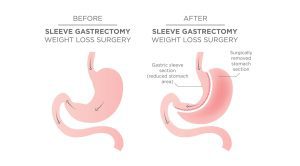
Gastric sleeve surgery (also known as a sleeve gastrectomy) works by reducing the stomach to a smaller sleeve. This helps you feel full sooner and typically dials down hunger hormones, making healthier portions feel more natural and satisfying.
Dr Jason Winnett, Melbourne-based Bariatric Surgeon from Winnett Specialist Group, says, ‘Beyond steady, meaningful weight loss, gastric sleeve surgery can deliver wide-ranging benefits-from metabolic and hormonal improvements to relief of obesity-related conditions and a better quality of life.’
Below, Dr Winnett shares 18 practical benefits for patients considering gastric sleeve surgery in 2026.
1. Meaningful, long-lasting weight loss
After gastric sleeve surgery, many patients achieve meaningful, measurable weight loss, often enough to noticeably improve daily comfort and obesity-related health conditions.
Many patients lose about 25%–35% of their total body weight, according to the International Federation of Surgery and Other Therapies for Obesity. In other words, if you weigh 120 kg, this would constitute a weight loss of 30-42 kg.
Another way doctors describe outcomes is in terms of ‘excess body weight’, which is the difference between your current and medically defined ‘ideal’ body weight. Gastric sleeve patients lose on average about 50%–70% of excess body weight*1.
In a long-term analysis involving 1,020 patients with over a decade of follow-up, weight reduction was still evident at the 10-year mark*2. With the right follow-up and lifestyle support, surgery results can translate into lifelong improvements in health and mobility.
2. More self-confidence and a healthier body image
As weight decreases and your body feels easier to live in, confidence often rises. Simple things like feeling more comfortable, having more stamina, and finding daily tasks less tiring can make it easier to feel present and at ease in your day-to-day life.
Many patients also find they become more socially engaged as their energy and mood improve. Everyone’s experience is different, but a common theme is feeling more comfortable, capable, and optimistic as health and function improve over time.
3. A smaller stomach means a smaller appetite
Gastric sleeve surgery reduces the stomach to around 20% of its original size, leaving a smaller, banana-shaped ‘sleeve’ that holds less food and helps you feel full sooner.
The surgery also removes the part of the stomach that produces ghrelin, the hormone that triggers hunger.
According to articles from JAMA (Journal of the American Medical Association), these hormonal changes help reduce hunger signals and make it far easier to eat less*3.
4. Minimally invasive, faster recovery profile
Gastric sleeve surgery is performed through small abdominal incisions. Research shows that laparoscopic bariatric approaches are associated with lower risks of wound infection and incisional hernia compared with open surgery, contributing to a smoother and quicker postoperative recovery experience*4.
‘It’s a well-tolerated option for the majority of patients, besides people with very severe obesity where bypass surgery may be suitable, or for patients with severe reflux where bypass surgery (also called Roux-En-Y Gastric Bypass or RYGB) is also generally more suitable.’
5. Lower risk of nutrient malabsorption compared to other surgeries
Unlike gastric bypass, sleeve gastrectomy does not reroute the small intestine. The normal digestive pathway is preserved, and nutrient absorption is generally less disrupted.
This may reduce the risk of certain nutrient deficiencies compared with malabsorptive procedures*5. That said, because food intake is reduced, it’s important to maintain ongoing vitamin and mineral supplementation as recommended by your doctor.
6. Type 2 diabetes improvement/remission potential
Many patients see major improvements in type 2 diabetes after gastric sleeve surgery, and some are able to reduce or even stop diabetes medications under medical supervision.
In long-term follow-up studies, remission has been reported in around 46% of patients at five years, along with better blood-sugar control than nonsurgical care, according to a 2020 study from Obesity Surgery Journal*6.
7. Better cardiovascular health and lower blood pressure
Gastric sleeve surgery is associated with significant improvements in key heart disease risk factors*7, helping lower overall cardiovascular risk in many patients. Common improvements include:
- lower blood pressure
- blood sugar control
- lipid levels (cholesterol and triglycerides)
- overall body weight
Many patients experience improved blood pressure control after sleeve gastrectomy, with some able to reduce*8 or discontinue hypertension medications under medical supervision*9.
8. Improved everyday energy and stamina
As the body carries less weight and metabolic health improves, many people notice better day-to-day energy, less shortness of breath with activity, and a greater ability to stay active.
Movement often becomes easier, which can encourage patients to lead more active lifestyles, further supporting lifelong fitness, strength, mobility, and weight maintenance.
9. Improved obstructive sleep apnea (OSA)
Weight loss after gastric sleeve surgery often reduces the severity of OSA by decreasing fatty tissue around the upper airway and lowering pressure on the chest and abdomen during sleep.
As a result, many patients experience fewer breathing interruptions during sleep, less snoring, and better daytime alertness. For some patients, OSA improves enough that they can rely less on CPAP (Continuous Positive Airway Pressure) therapy*10.
10. Reduced ongoing liver strain
Dr Winnett says, ‘Many patients see a “lighter” liver over time after sleeve gastrectomy, with less fat buildup and better liver test results – like lower ALT (Alanine Transaminase)/AST (Aspartate Transaminase) – which can reduce ongoing liver strain and the risk of fatty liver progressing to more serious disease.’*11
In practical terms, the liver may have less ongoing pressure to ‘keep up’, supporting steadier metabolic health over time.
11. Reduced stroke risk
‘After sleeve gastrectomy, many people see key health numbers move in the right direction,’ says Dr Winnett. ‘Blood pressure drops, cholesterol and triglycerides improve, blood sugar becomes easier to control, and overall metabolic health stabilises.’*12
Because stroke risk is closely linked to these factors (especially high blood pressure, diabetes, and abnormal lipids), improving them can support a healthier long-term vascular outlook.
12. Reduced cancer risk
Sleeve gastrectomy may help lower obesity-related cancer risk. A long-term study published in JAMA Surgery found that women with obesity who underwent bariatric surgery had a lower incidence of breast cancer compared with those receiving usual obesity care*13.
A reduced risk of endometrial cancer and non-hodgkins lymphoma has also been recorded.
13. Relief from gout
As weight and metabolic health improve after gastric sleeve surgery, many people experience fewer gout flares and better uric acid control over time*14.
For some patients struggling with gout, this can mean less sudden joint pain and swelling, and fewer interruptions to work, exercise, and daily life.
14. Musculoskeletal relief
Weight loss after sleeve gastrectomy reduces stress on weight-bearing joints, which can ease joint pain and improve mobility and everyday physical function.
‘Patients commonly report they no longer need to have a knee operation or that knee pain improves when weight improves,’ says Dr Winnett.
15. Improved urinary incontinence
For every one-unit increase in BMI, the incidence of urinary incontinence increases by 30% to 60%.
Therefore, weight-loss surgery is widely considered one of the most practical and effective methods for relieving obesity-related urinary incontinence, with some reports on sleeve gastrectomy showing improvement rates as high as approximately 73%*15.
16. Potential fertility & hormone balance improvement
Weight loss after gastric sleeve surgery can help rebalance hormones, support ovulation, and improve fertility-related issues that are often affected by obesity*16.
A large Epidemiology study of more than 600 women found that those with a BMI above 27 were around three times more likely to experience infertility*17. In one study, a 10% reduction in body weight was associated with conception rates rising from 54% to 88%*18.
17. Better emotional well-being
Mood and emotional health often improve after sleeve gastrectomy, as weight loss and better day-to-day function can ease stress and reduce depressive symptoms over time. A 2021 report found significant improvement in depression scores after surgery*19.
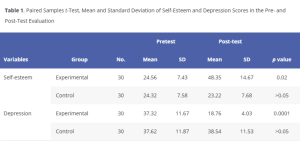
Participants who had gastric sleeve surgery saw statistically significant improvements in both self-esteem and depression scores from pre-op to post-op. The control group showed no meaningful change, reinforcing links between sleeve gastrectomy and improved emotional wellbeing.
18. A stronger long-term health trajectory
‘Beyond the scale,’ says Dr Winnett, ‘sleeve gastrectomy can help “reset” key health markers like weight, blood sugar, blood pressure, and sleep. This makes it easier to build sustainable habits and protect long-term quality of life with ongoing follow-up.’
We can help you decide if gastric sleeve surgery is right for you
If you’re considering weight-loss surgery, the next step is to get personalised advice. A consultation can clarify whether gastric sleeve surgery is suitable for your medical history and goals.
Ready to take the next step? Contact the team at Winnett Specialist Group in Melbourne. We’ll guide you through your options, what to expect, and the support available before and after surgery.

P (03) 9417 1555 admin@winnettspecialistgroup.com.au
www.winnettspecialistgroup.com.au
Queens Terrace, 382 Victoria Parade, East Melbourne 3002
Sources
-
- Sleeve Gastrectomy-IFSO(International Federation for the Surgery and Other Therapies for Obesity)
- Long-Term Results of Laparoscopic Sleeve Gastrectomy: a Review of Studies Reporting 10+ Years Outcomes
- Obesity, Type 2 Diabetes Mellitus, and Other Comorbidities Obesity Surgery Journal 2023
- Safety of Laparoscopic vs Open Bariatric Surgery-A Systematic Review and Meta-analysis, Journal of The American Medical Association (JAMA), 2011
- Two-year outcomes of sleeve gastrectomy versus gastric bypass: first report based on Tehran obesity treatment study (TOTS)
- Type 2 Diabetes Remission 5 Years After Laparoscopic Sleeve Gastrectomy: Multicenter Cohort Study
- Cardiovascular risk reduction following metabolic and bariatric surgery
- Comparison of hypertension remission and relapse after sleeve gastrectomy and one-anastomosis gastric bypass: a prospective cohort study
- Changes in Antihypertensive Medication Following Bariatric Surgery
- Bariatric surgery and obstructive sleep apnea: a systematic review and meta-analysis
- The Effect of Laparoscopic Sleeve Gastrectomy on the Course of Non-Alcoholic Fatty Liver Disease in Morbidly Obese Patients during One Year of Follow Up
- Bariatric surgery and cardiovascular disease: a systematic review and meta-analysis
- Breast Cancer Risk After Bariatric Surgery and Influence of Insulin Levels
- The effect of bariatric surgery on gout: a comparative study
- Obesity and urinary incontinence: epidemiology and clinical research update
- The advantages and disadvantages of sleeve gastrectomy; clinical laboratory to bedside review
- Body mass index and ovulatory infertility, Epidemiology,1994
- A retrospective cohort study to evaluate the impact of meaningful weight loss on fertility outcomes in an overweight population with infertility, Fertil Steril, 2014
- Impact of Laparoscopic Sleeve Gastrectomy on Self-Esteem and Depression in Patients with Obesity: A Randomized Clinical Trial, Cureus, 2021
This article was reviewed by Dr Jason Winnett, AHPRA No: MED0001155541
This page contains general information only. Not medical advice. All procedures carry risks and results are individual. Consult your GP and a specialist surgeon, or seek a second opinion, before proceeding.