
Turkey with sage-infused stuffing.
Crispy crackling.
Pavlova or trifle shared with the family.
And of course … those perfectly golden roast potatoes with rosemary and thyme.
Food is a big part of the festive season, and it’s completely normal for routines to shift during the holidays.
This blog will walk you through simple, practical strategies to enjoy Christmas eating while honouring your health goals.
The research behind a healthy Christmas
Australian research published in the Journal of the American Medical Association (JAMA) Network Open shows that many people experience small, temporary weight changes at this time of year. This doesn’t always mean ‘poor choices’. It’s often caused by increased social events, a chaotic schedule, and less structured eating and movement.
The JAMA study, which followed 375 Australian adults, highlighted that even small seasonal shifts accumulate over time.
As Bariatric and Laparoscopic Surgeon Dr Jason Winnett explains, ‘The good news is that while we see predictable patterns during the festive season, it also means that simple, targeted strategies can make a meaningful difference.’
Whether you’re considering weight-loss surgery or medication, or you’re already on your postoperative journey, this roadmap from Winnett Specialist Group will help you enjoy the festive season while keeping your health goals in view.
1. Stay grounded through the holiday rush
The festive season isn’t just Christmas Day. It’s weeks of end-of-year catchups, work functions, school events, and family gatherings from mid-November onwards. With so much happening (and so many food cues around), it’s completely understandable that routines feel less predictable.
Georgie Beams, Psychologist with Winnett Specialist Group, explains, ‘Because there’s always something on offer and social pressure to “join in”, many people slip into an all-or-nothing mindset, telling themselves they’ll start again on January 1. That thinking drives the very weight gain we’re trying to prevent. However, mindfulness might help break automatic holiday eating.’
A 2024 Nature study*2 found that mindfulness meditation alters activity in the hypothalamus, reward centres, and insula – the areas of the brain that regulate hunger, stress, and emotion.
Tips for staying grounded this Christmas
- Eat slowly and with full attention. Eat at the table. Put screens and phones away so you can focus on your meal.
- Use all your senses. Notice the colour, smell, texture, and temperature of your food. Identify flavours as you chew.
- Chew well. Aim for about 20 chews per bite and set your fork down between bites to give your body time to register fullness.
- Check your hunger levels. Start eating when hunger feels like a four out of ten and stop when you reach a comfortable six or seven. Look for early signs of fullness, such as a gentle tightness in the chest or small hiccups.
- Identify emotional hunger. Emotional hunger feels urgent and usually drives cravings for sugary or fatty foods, often followed by guilt. Physical hunger builds gradually and is satisfied by regular meals.

2. Stay ahead of Christmas ‘dumping syndrome’
For patients who’ve recently had bariatric surgery, Christmas can be a high-risk time for dumping syndrome, a common but preventable post-surgery side effect.
Dr Winnett says, ‘Dumping occurs when high-sugar or highly refined foods move too quickly from the stomach into the bowel. This can trigger early symptoms such as nausea, diarrhoea and sweating, or later symptoms like shaking, anxiety, low blood sugar, and a rapid heart rate.’
Tips to avoid dumping syndrome this Christmas
- Keep meals small and regular: Aim for small portions (refer to your nutrition guide for recommended portions post-op: ¼-1 cup) spaced evenly through the day, and take your time while eating.
- No drinking with meals: Stop fluids 15–30 minutes before eating and wait 30 minutes after meals before drinking again.
- Make protein the hero: Choose lean proteins like eggs, fish, chicken, tofu, yoghurt, or legumes at each meal or snack.
- Choose low-GI, high-fibre carbs: Opt for legumes, wholegrains, oats, sweet potato, or basmati rice instead of white bread, pasta, or ‘fast-moving’ carbs.
- Add vegetables and small amounts of healthy fats: Include high-fibre vegetables such as broccoli, zucchini, corn or pumpkin, plus a little avocado, nut butter or extra-virgin olive oil.
- Avoid high-sugar foods and drinks: Skip soft drinks, juices, desserts, sugary cereals, lollies and foods with added sugars.
- Limit alcohol and caffeine: These can worsen symptoms for many post-surgery patients, so keep intake minimal.
3. Avoid stopping weight-loss medications too suddenly
Over the festive season, some people consider taking a ‘holiday break’ from their weight-loss medication*3.
‘However,’ says Dr Winnett, ‘pausing medication suddenly can disrupt appetite regulation, trigger rebound hunger, and make festive overeating even harder to control. Any medication changes should always be discussed with your bariatric team, not decided because Christmas feels too hard.’
Understanding what not to eat is just as important.
As Dr Winnett explains, weight-loss medications slow gastric emptying. ‘High-fat, fried, and highly processed foods can overwhelm the stomach when patients are on medications, spiking blood sugar and worsening common side effects such as nausea, reflux and constipation.’
Tips for patients taking weight-loss medication this Christmas
- Keep meals gentle on the gut: Limit fries, creamy dishes, fried chicken, pastries, soft drinks and refined carbs like white bread and rice.
- Eat strategically: Have small, protein-forward meals, chew slowly, and avoid arriving at events overly hungry to prevent overeating and discomfort.

4. Three Meals, two snacks, and no grazing
A simple daily rhythm can make a huge difference during the festive season.
Aim for three balanced meals and two planned snacks, so you’re never overly hungry or tempted to ‘pick’ at food throughout the day.
Ashleigh Gale, Dietitian at Winnett Specialist Group, says, ‘Small, regular meals also sit more comfortably after bariatric surgery and work well for people using weight-loss medications.’
Keep portions modest by choosing a smaller plate and filling it with protein first, then plenty of salad or non-starchy vegetables. This naturally reduces space for refined carbs, such as white bread, pasta, or potato salads.
Step away from the grazing table when you’re at a barbecue or party to avoid unconscious nibbling.
Choose lighter dressings such as lemon vinaigrette.
Opt for low-GI fruits like cherries, strawberries, grapefruit, pears, oranges, and apples.
Avoid processed meats. If you’re craving something savoury, reach for options like unsalted nuts, prawns, turkey slices, or fresh seafood.
‘The goal isn’t perfection,’ says Ashleigh. ‘It’s giving yourself enough structure to stay in control without feeling restricted.’
5. Prioritise protein
Protein should anchor your day, especially if you’re early in your post-surgery journey or using a weight-loss medication.
It keeps you fuller for longer, stabilises blood sugar, and helps protect lean muscle.
After bariatric surgery, many patients gradually transition from purées to soft textures and eventually to normal foods, but the principle stays the same: protein first, carbs second.
High-protein food foundations
- Protein first at every meal: Eggs, lean chicken, fish, tofu, cottage cheese, high-protein yoghurt.
- Choose slow-burning carbohydrates: High-fibre or low-carb bread, beans or lentils, small portions of pumpkin or potato.
- Fill the plate with low-starch veg: Leafy greens, salad vegetables, broccoli, zucchini, and tomatoes.
Smart protein tips
- Add unflavoured protein powder to soups, yoghurt, or drinks if you struggle to reach daily targets.
- Keep portions small but regular. This helps avoid energy crashes and grazing.
- If you want something sweet, choose a higher-protein festive treat (like yoghurt) instead of traditional desserts.
Delicious, healthy snack examples for Christmas
- Veggie sticks with hummus (carrot, cucumber, capsicum)
- Zucchini noodles with cherry tomatoes, basil, and mozzarella
- Apple slices with 1 tbsp of peanut butter
- Two hard-boiled eggs
- Wholegrain crackers topped with half an avocado
- Half a cup of cottage cheese with six pineapple chunks
6. Smarter sips for a healthier holiday
Sharing a drink with friends and family is a natural part of the festive season, but it can also make it harder to stay in tune with your habits.
Alcohol is energy-dense and changes how your body processes fuel, and it can also make it easier to overdo it with festive foods, which is something most people don’t realise.
Dr Jason Winnett says, ‘If you’re taking a weight-loss medication or recovering from bariatric surgery, being mindful of alcohol is especially important.’
Instead of focusing on restriction, consider swapping in some refreshing alternatives that still help you feel part of the celebration:
- Sparkling water with fresh lemon or lime
- Non-alcoholic beer, wine, or pre-mixed options
- A festive mocktail with mint, lime, and soda water
- Herbal iced tea with a splash of citrus
Choosing one of these alternatives helps you stay social without setting back your progress.
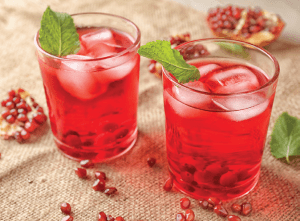
Refreshing Christmas mocktail recipe: Cranberry Christmas Fizz
Prep time: 5 minutes
Serves 6
Ingredients
4 cups of cranberry juice
2 cups of pineapple juice
1 tablespoon of lemon juice
Sparkling mineral water
Ice cubes
Lemon and sugar for the rim of the glass (optional).
Method
Stir cranberry, pineapple, and lemon juices together in a pitcher.
Add ice cubes and stir.
Rub lemon around glass rims.
Dip glass rims in a small amount of sugar or salt.
Pour mixture into glasses and top with sparkling mineral water.
Christmas should be enjoyable, not stressful!
By staying mindful, keeping to a simple routine of regular protein-rich meals and snacks, and making gentle swaps with alcohol, sugar, and high-fat foods, you can enjoy the festivities without feeling out of control.
And if things aren’t perfect, that’s okay. One day doesn’t undo your progress.
If you’d like personalised support for your weight-loss journey, contact Winnett Specialist Group online or call us at (03) 9417 1555. We’re here to help you navigate the festive season and beyond.

P (03) 9417 1555
admin@winnettspecialistgroup.com.au
www.winnettspecialistgroup.com.au
Queens Terrace, 382 Victoria Parade, East Melbourne 3002
Sources
1.When Christmas comes so do the kilos. New research tracks Australians’ yo-yo weight gain
2.Mindfulness meditation modulates stress-eating and its neural correlates
3.Some people opt to pause drugs used for weight loss over the holidays. Is it safe?
4.How Does Alcohol Affect Weight Loss?
This article was reviewed by Dr Jason Winnett, AHPRA No: MED0001155541
This page contains general information only. Not medical advice. All procedures carry risks and results are individual. Consult your GP and a specialist surgeon, or seek a second opinion, before proceeding.