
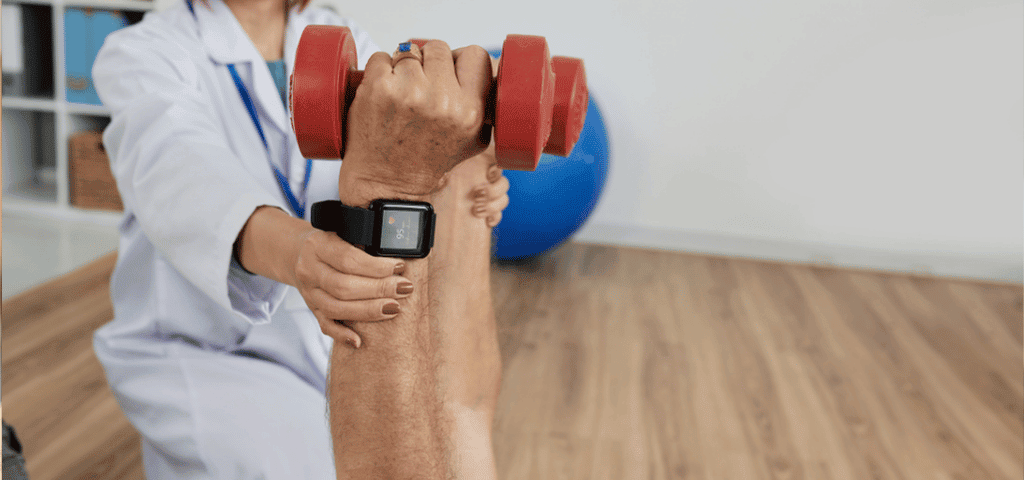
Weight loss with GLP-1 medications and bariatric surgery is often substantial and heartening, but some of that loss may come from fat-free mass, including skeletal muscle.
One study published in Metabolism found that more than 25% of total weight lost after surgery came from fat-free mass.
This is sometimes referred to as sarcopenic obesity, where excess body fat and low muscle mass occur together.
In this article, bariatric surgeon Dr Jason Winnett explains why preserving muscle is an important consideration during weight loss and outlines a practical approach that may help to support it.
Why preserving muscle should be part of weight-loss management
For patients using GLP-1 medications or recovering from bariatric surgery, the aim is not only to reduce weight, but also to preserve lean mass.
A study published in the peer-reviewed nutrition journal Nutrients found that in patients 2-7 years after bariatric surgery, those who exercised (regardless of protein supplementation) increased fat-free mass by about 1.5 kg and skeletal muscle mass by about 0.9 kg, while the control group showed a slight decline.
A recent JAMA study of 195 participants echoed these findings and found that exercise may help preserve bone health during weight loss with GLP-s, with bone mineral density assessed at the hip, lumbar spine and distal forearm.
Although weight loss was similar, participants using GLP-1s without regular exercise experienced a greater reduction in bone mineral density at clinically relevant sites than those who exercised alone.
How should we monitor muscle loss and individualise care?
These potential benefits are important, but in practice, monitoring should go beyond weight alone.
Assess physical activity, muscle strength and functional capacity so that patients at higher risk of muscle loss can be identified earlier.
Assessing overall physical activity
‘One simple way to assess activity is to use the International Physical Activity Questionnaire (IPAQ),’ says Sarah Pizzi, Exercise and Lifestyle Consultant at Winnett Specialist Group.
‘It asks about sitting time, walking, and moderate to vigorous activity performed for at least 10 minutes at a time. It’s a practical way to get a clearer picture of how active a patient really is.’
Asking about the frequency and duration of physical activity provides a clearer sense of whether a patient is meeting recommended activity levels and where additional support may be needed.
Here are some questions you might ask patients about their physical activity:
- How much time do you spend sitting on a typical day?
- How often would you walk during a typical week?
- How many days a week do you incorporate moderate-intensity activity?
- How many days a week do you incorporate vigorous-intensity activity?
- How long do these activities usually last?
Source: https://sites.google.com/view/ipaq/download
Assessing handgrip strength
Alongside activity levels, handgrip strength can be used to assess muscle function.
It’s a simple bedside measure that may help identify patients at risk of muscle loss earlier, particularly when combined with functional assessment.
An article published in JAMA of more than 93,000 participants from UK Biobank found that grip strength was easy to measure and responsive to strength training, suggesting a practical, low-cost way to identify higher-risk patients and intervene earlier.
Monitoring labs and nutrition
Beyond these simple bedside measures, GPs could take a structured approach to post-bariatric follow-up, including regular laboratory monitoring and nutritional screening.
- Routine monitoring: fasting lipids, FBC, U&E, LFTs, coagulation, urinalysis, glucose and HbA1c.
- Additional tests: C-peptide for diabetes remission, plus iron, B12, folate and vitamin D.
- Further investigations: abdominal ultrasound or endoscopy if needed.
An exercise recovery guide for patients
Sarah Pizzi, Exercise and Lifestyle Consultant at Winnett Specialist Group, says: ‘After bariatric surgery, and for people using GLP-1 medications, resistance training is one of the best ways to give your body the message that muscle still matters.
‘It doesn’t need to be complicated. Bodyweight exercises, resistance bands and light weights can all be a great place to start.’
For post-op bariatric surgery patients:
- Day 1: Start by getting out of bed and walking to a chair, then back again if able.
- Day 2–7: Begin short walks throughout the day, about 2 minutes at a time, up to 10 times daily.
- Week 2: Increase walking to 20–60 minutes a day, five days a week. This can be broken into smaller sessions. If approved, you may also begin light weights, such as 1–2 kg, twice a week.
- Week 3: Once the incisions have healed, swimming may be possible. Driving can usually resume if you are pain-free and no longer taking strong pain medication.
- Week 4: Sexual activity can usually be resumed, although some patients may be ready sooner if they have no abdominal pain.
- Week 6: More demanding movements, such as squats and lunges, may be added.
- Week 12: A return to competitive sport is often possible, depending on recovery and medical clearance.
Recovery timelines vary between patients and should always be individualised according to the surgical team’s advice.
For GLP-1 users:
Notice: Recovery timelines vary and should always follow your surgical team’s advice.
| Step | Type of activity | Frequency & duration | Goal/benefit |
| 1. Gradual movement | Brisk walking, light aerobic activity | Start with 10 minutes per day, then build up to 150 minutes per week of moderate activity or 75 minutes per week of vigorous activity | Improves aerobic fitness and reduces fatigue |
| 2. Resistance training | Resistance bands, weights, or bodyweight exercises such as squats and lunges | 2–3 sessions per week, 20–30 minutes each, for a total of 60–90 minutes per week | Preserves lean body mass, bone density, and muscle strength |
| 3. Maintenance | Combined aerobic and resistance training | 30–60 minutes of aerobic activity daily, plus 2–3 resistance sessions per week | Supports long-term weight control, metabolic health, and function |
| Additional focus | Balance and mobility work | Integrated into the weekly routine, especially for older adults | Helps prevent sarcopenia and reduces fall risk |
Source: GLP-1 agonists and exercise: the future of lifestyle prioritization
Protein for lean mass preservation
Ashleigh Gale, Dietitian at Winnett Specialist Group, says: ‘Protein is essential for recovery and for maintaining muscle during weight loss. After bariatric surgery, appetite is often lower, so it’s easy to fall short on protein without realising it.’
Ashleigh’s 5 simple protein tips:
- Eat protein first. Build meals around protein before adding other foods.
- Include protein at every meal and snack. Small, regular amounts add up over the day.
- Choose high-protein foods. Good options include eggs, Greek yoghurt, cottage cheese, tofu, fish, chicken, lean meat and protein shakes.
- Use protein snacks when appetite is low. Keep easy options on hand, such as yoghurt, boiled eggs, cottage cheese or a protein bar.
- Make protein easier to absorb into your routine. Add protein powder to drinks, soups or porridge when needed.
Make muscle preservation a priority for patients on weight-loss journeys
At Winnett Specialist Group, our team, including Exercise and Lifestyle Consultant Sarah Pizzi and Dietitian Ashleigh Gale, provides holistic, individualised support before and after surgery, and while using GLP-1s.
Get in touch with us to discuss referrals or for tailored advice on how to help your patients lose weight while preserving muscle.
Reviewed April 2026 by Dr Jason Winnett
AHPRA Registration MED0001155541
This article provides general information only. Not medical advice. All procedures carry risks and results are individual. Consult your GP and a specialist surgeon or seek a second opinion before proceeding.
References
Sarcopenic obesity and weight loss-induced muscle mass loss – Clinical Nutrition and Metabolic Care
Grip Strength Linked to Lower Risk of Obesity-Related Disease and Death – JAMA
GLP-1 agonists and exercise: the future of lifestyle prioritization

Contact
P (03) 9417 1555
admin@winnettspecialistgroup.com.au
www.winnettspecialistgroup.com.au
Queens Terrace, 382 Victoria Parade, East Melbourne 3002