
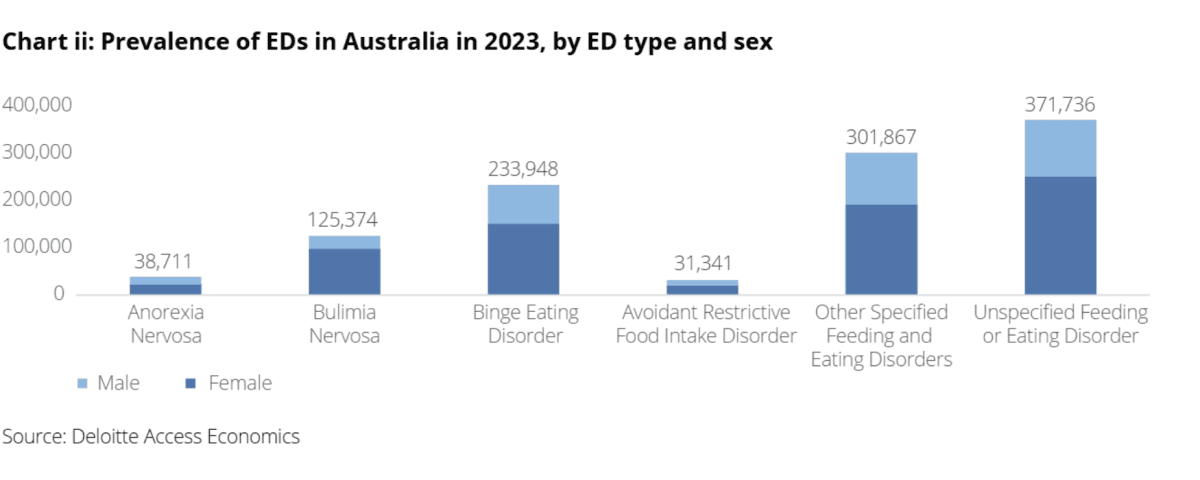
An estimated 1 in 23 Australians are living with an eating disorder, with women and adolescents the most affected.
Among those 1 in 23, binge-eating disorder accounts for half of the cases.
Yet in everyday practice, many patients present not with ‘eating disorder’ as their chief complaint, but with weight concerns, metabolic complications, or mood symptoms.
Melbourne Bariatric and Laparoscopic Surgeon Dr Jason Winnett outlines how to assess for binge-eating disorder, along with options for treatment and referral.
The relationship between binge-eating disorder and obesity
Obesity and binge-eating disorder frequently overlap.
A study published in Trends in Molecular Medicine involving 12,337 adult participants shows that, among people with obesity, binge-eating disorder (BED) is the most common eating disorder diagnosis, with lifetime prevalence around 5.49% in women with obesity and 5.63% in men with obesity.
Figures from previous studies claim that between 36.2% and 87.8% of people with BED have experienced obesity at some point in their lives.
Dr Winnett says, ‘Family history, individual psychology and environment might weave obesity and binge-eating disorder together.’
When BED and obesity coexist, the clinical picture becomes markedly more complex, and metabolic disease becomes much more likely.
Binge-eating disorder and diabetes
An Eating Behaviours study of 488 patients seeking bariatric surgery found that 8.2% of participants had both type 2 diabetes and binge eating disorder at the same time, highlighting the added risk burden in this group.
‘Beyond diabetes, BED is also linked with a range of other obesity‑related conditions, including high blood pressure, asthma, gastrointestinal problems and sleep disorders,’ says Dr Winnett.
‘For women, we commonly see menstrual irregularities, pregnancy complications and idiopathic intracranial hypertension — all of which can complicate both weight management and mental health care.’
SCOFF: a simple evaluation tool for binge-eating disorder
For GP assessment of binge-eating disorder, we recommend using the SCOFF questionnaire as a brief screening tool.
The SCOFF acronym comes from letters used in the questionnaire:
- Sick: ‘Do you ever make yourself sick because you feel uncomfortably full after eating?’
- Control: ‘Do you often feel you have lost control over how much you eat?’
- One stone: ‘Have you recently lost more than one stone (around 6–7 kg or more) within a 3-month period?’
- Fat: ‘Do you see yourself as “fat” even when other people say you are too thin?’
- Food: ‘Would you say that thoughts about food and eating dominate your life?’
An article published in JAMA, pooling data from 57 studies, reported a pooled sensitivity of 84% for SCOFF in adults. This suggests that tools like SCOFF have meaningful diagnostic value when used thoughtfully in primary care.
Treating binge-eating disorder: a practical approach
Treatment for BED is primarily psychological. It often involves a combination of psychotherapy and encouragement to eat mindfully.
CBT and IPT
The main psychotherapies for treating BED are cognitive behavioural therapy (CBT) and interpersonal psychotherapy (IPT), usually delivered in specialist or multidisciplinary settings.
In one study, published in European Eating Disorders Review, both CBT and IPT led to significant reductions in overall eating‑disorder symptoms.
CBT for BED focuses on normalising eating patterns, reducing dietary restraint, challenging unhelpful thoughts about food, weight and shape, and building practical skills to manage triggers and binge urges.
IPT, by contrast, works on the links between mood, symptoms and interpersonal stressors (such as conflict, role changes or grief), with the aim of improving relationships and coping with life events so that mood improves and the drive to binge reduces.
Mindful eating
Mindful eating can also be a useful adjunct to these therapies.
A recent trial in Nutrients found that an 8‑week mindful‑eating program for adults with obesity and BED was associated with significant reductions in both binge frequency and binge severity.
GPs can introduce simple mindful eating strategies to their patients, such as:
- Encouraging patients to eat in a calm setting without phones, TV or other distractions.
- Asking them to slow down, take smaller bites, and pay attention to taste, texture and smell.
- Using a 1–10 hunger/fullness scale before and after eating to build awareness of appetite and satiety.
- Pausing between bites to check whether the body feels ‘full’ rather than continuing on autopilot.
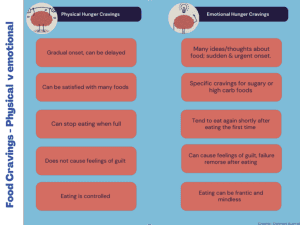
- Exploring the difference between physical hunger and emotional hunger (as illustrated in the image below), and using that distinction to guide whether and how to eat.
Putting binge-eating disorder to BED
Binge-eating disorder is common, and it often hides behind presentations of weight gain, metabolic complications or low mood. A SCOFF screen can help surface it, and evidence-based treatment, primarily CBT or IPT, gives patients a path forward.
Where BED is suspected, a Mental Health Care Plan can help make psychological treatment more accessible through referral to a psychologist experienced in eating disorders.
If you have a patient where obesity and binge-eating disorder appear to coexist, we’d love to discuss the case with you. Our multidisciplinary team, including dietitians and psychologists, works alongside any surgical or medical weight-management pathway to properly support these patients.
Contact the team at Winnett Specialist Group.

Contact
P (03) 9417 1555
admin@winnettspecialistgroup.com.au
www.winnettspecialistgroup.com.au
Queens Terrace, 382 Victoria Parade, East Melbourne 3002
References
3-Screening for eating disorders in adolescents and adults-JAMA
5-Effects of Mindful Eating in Patients with Obesity and Binge Eating Disorder-Nutrients
This page was reviewed by Dr Jason Winnett and dietitian Ashleigh Gale, July 2026, AHPRA No: MED0001155541